5 hr
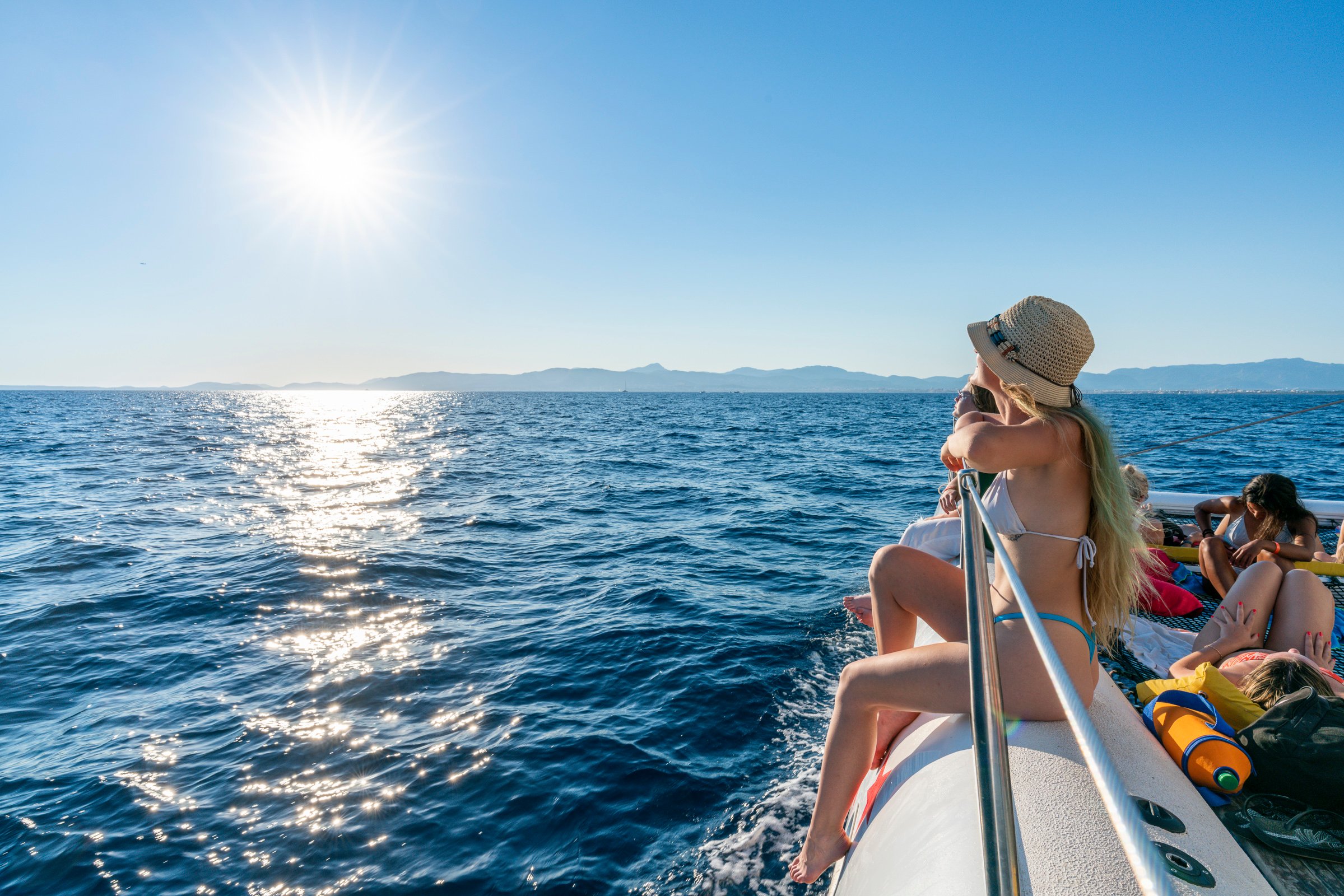
Catamaran Sailing Adventure with Beach Stops & BBQ Lunch
- Entry ticket
- Mobile voucher
- Valid same day
- Free cancellation
Palma Dolphin Watching — Catamaran & Glass-Bottom Boat Cruises
Dawn departures and full-day sails, bottlenose pods in Balearic waters
Compare fares, pick the fit — all bookings are mobile-voucher and eligible for free cancellation where shown.
5 hr
2 hr 30 min
1 hr 45 min
Selecting the right palma dolphin watching excursion ensures you can enjoy a responsible marine wildlife encounter in the Mediterranean Sea. These palma dolphin watching tours provide various access levels, ranging from quick focused sightings to extended coastal cruises with leisure stops.
| Standard Sightseeing Extended Discovery | 1.5-Hour Express 3-Hour Cruise | |
|---|---|---|
| Dolphin Observation | Included | Included |
| Swimming Stop | — | Included |
| Typical Duration | 1.5 hours | 3 hours |
| Audio Guide | Included | Included |
| Best For | Budget-minded visitors | Families and leisure seekers |
Verdict: For the best value, most first-time visitors choose the 3-hour palma dolphin watching tickets to combine wildlife sightings with a refreshing swim in a secluded cove.
Worth it for wildlife enthusiasts and families
Palma dolphin watching delivers genuine marine wildlife encounters in the Bay of Palma and surrounding Mediterranean waters, where bottlenose dolphins and pilot whales are regularly spotted year-round. Most tours departing from the city run €40–70 per adult depending on vessel type and inclusions—glass-bottom boats offer underwater visibility, while catamaran sailings add beach stops and onboard meals. Early morning departures (08:00–10:30) significantly improve sighting probability when cetaceans are most active. The experience suits families seeking educational wildlife observation and couples wanting a half-day escape from the island's beach crowds. Tours from Paguera, Santa Ponsa, and Alcúdia provide alternative departure points if you're staying outside the capital. Palma dolphin watching tours combine marine biology commentary with coastal scenery, making the investment worthwhile for nature-focused visitors willing to accept that wild animal sightings, while common, are never guaranteed.
Bottom line: Book an early slot with a reputable operator and palma dolphin watching tickets justify the cost for anyone valuing authentic marine wildlife over staged attractions.
These activities serve different purposes; choose the dedicated palma dolphin watching excursion if you prioritize marine life encounters, whereas the catamaran cruise is superior for leisure and social recreation. Many travelers find that combining the two approaches provides a complete understanding of the local Mediterranean ecosystem.
|
Top pick Dolphin Tour |
Catamaran Cruise | |
|---|---|---|
| Wildlife focus | High - active searching | Low - incidental sightings |
| Primary activity | Marine mammal observation | Swimming and social leisure |
| Typical duration | 2–3 hours | 4–6 hours |
| Best time of day | 08:00–10:30 | Midday to afternoon |
| Suitable for families | Yes - educational focus | Yes - relaxation focus |
| See tickets & prices |
Verdict: Select your palma dolphin watching tickets if your primary objective is sighting cetaceans in their habitat, or opt for a cruise if you prefer an open-sea itinerary with swimming stops.
Hand-picked experiences loved by thousands of travelers
3 hours
Free Cancellation
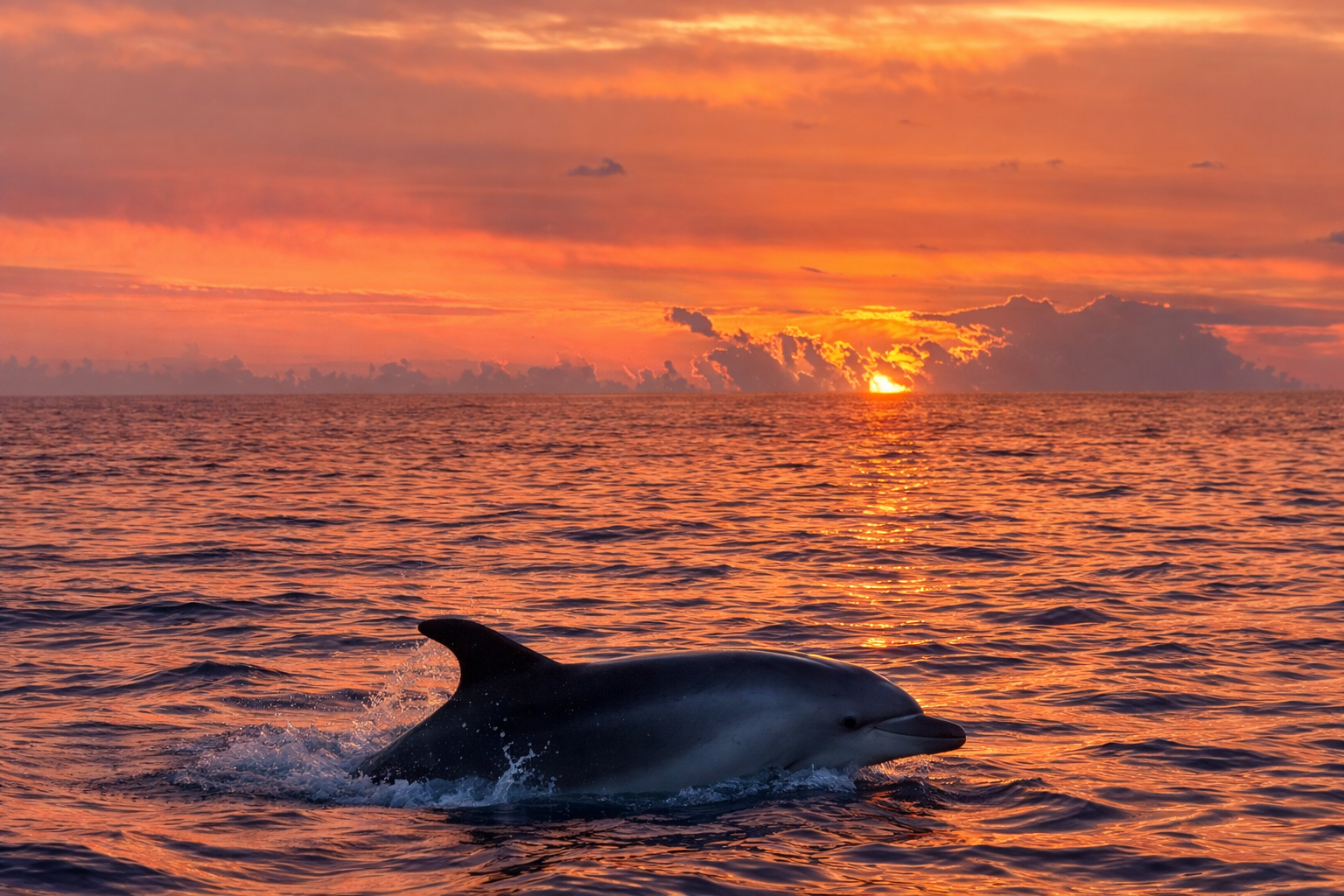
Watch dolphins at dawn off Mallorca's northern shores while enjoying breakfast aboard a catamaran
2 hours
Free Cancellation
Watch dolphins at sunrise on a guided morning boat trip with complimentary hotel transfers
3 hours
Free Cancellation
Sail Mallorca's northern coastline, encounter dolphins, explore marine caves, and swim in secluded coves
3 hours
Free Cancellation
Observe dolphins in the wild on a morning cruise along Mallorca's stunning northern shores with swimming opportunities.
3 hours
Free Cancellation
Intimate dolphin encounter cruise with silent engine technology, cliff exploration, and swimming stop
2 hours
Free Cancellation
Experience wild dolphins at dawn, explore hidden sea caves, and cruise past pristine reserves on Mallorca's northern coast.
3.5 to 4 hours
Free Cancellation
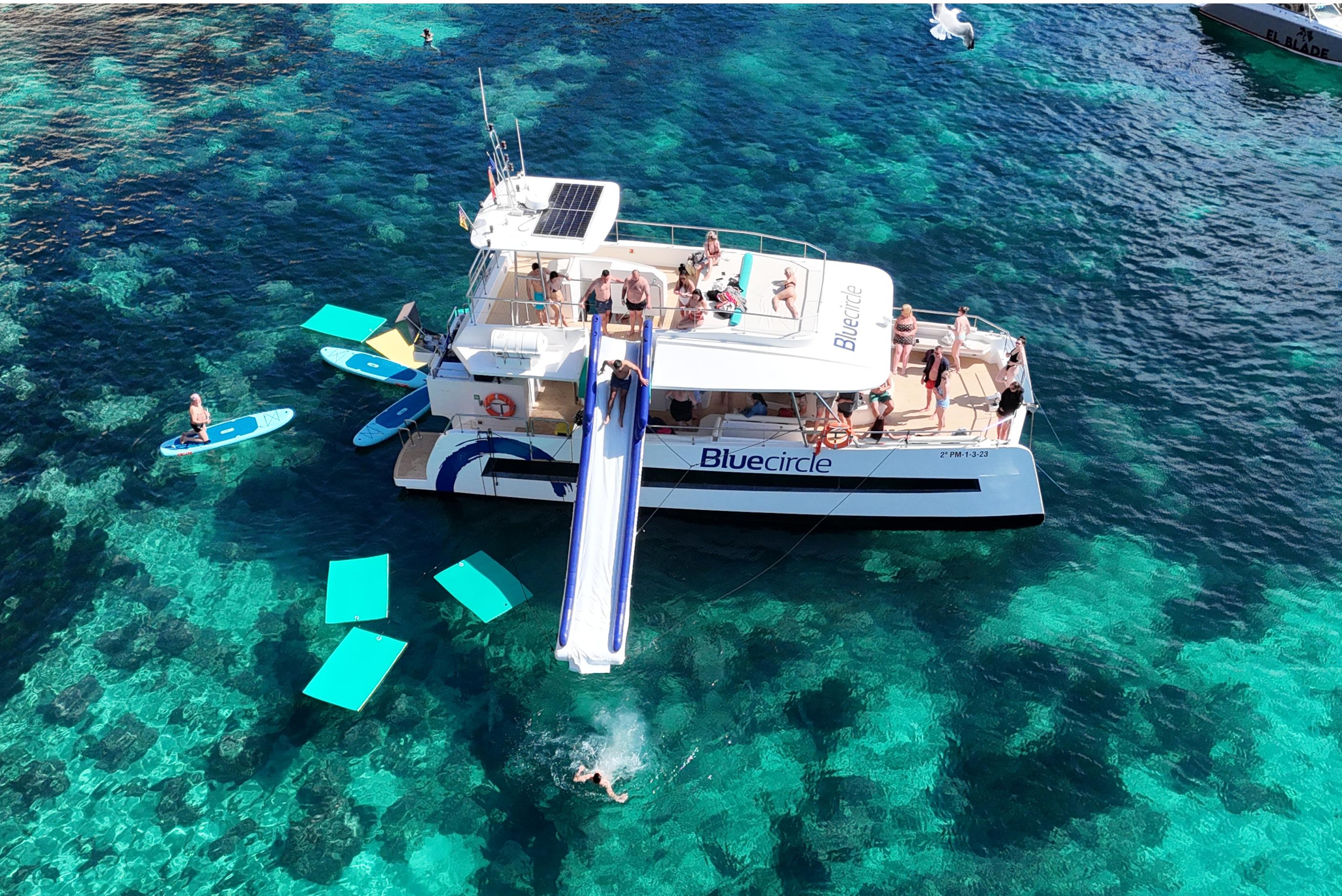
Sail Mallorca's coast on an eco-friendly catamaran with paddleboarding, snorkeling, and complimentary refreshments
3 hours
Free Cancellation
Sail Mallorca's northern shores in search of dolphins, swim in turquoise waters, and discover hidden caves
You board at Muelle de las Golondrinas thirty minutes before departure, choosing an upper-deck seat on a catamaran or a cushioned bench aboard a glass-bottom boat. Crew distribute life jackets and explain the radio protocol for coordinating sightings with other vessels.
The engine hums to life at eight, and you clear the breakwater within ten minutes, passing the cathedral's buttresses and the Almudaina Palace on the northern shore.
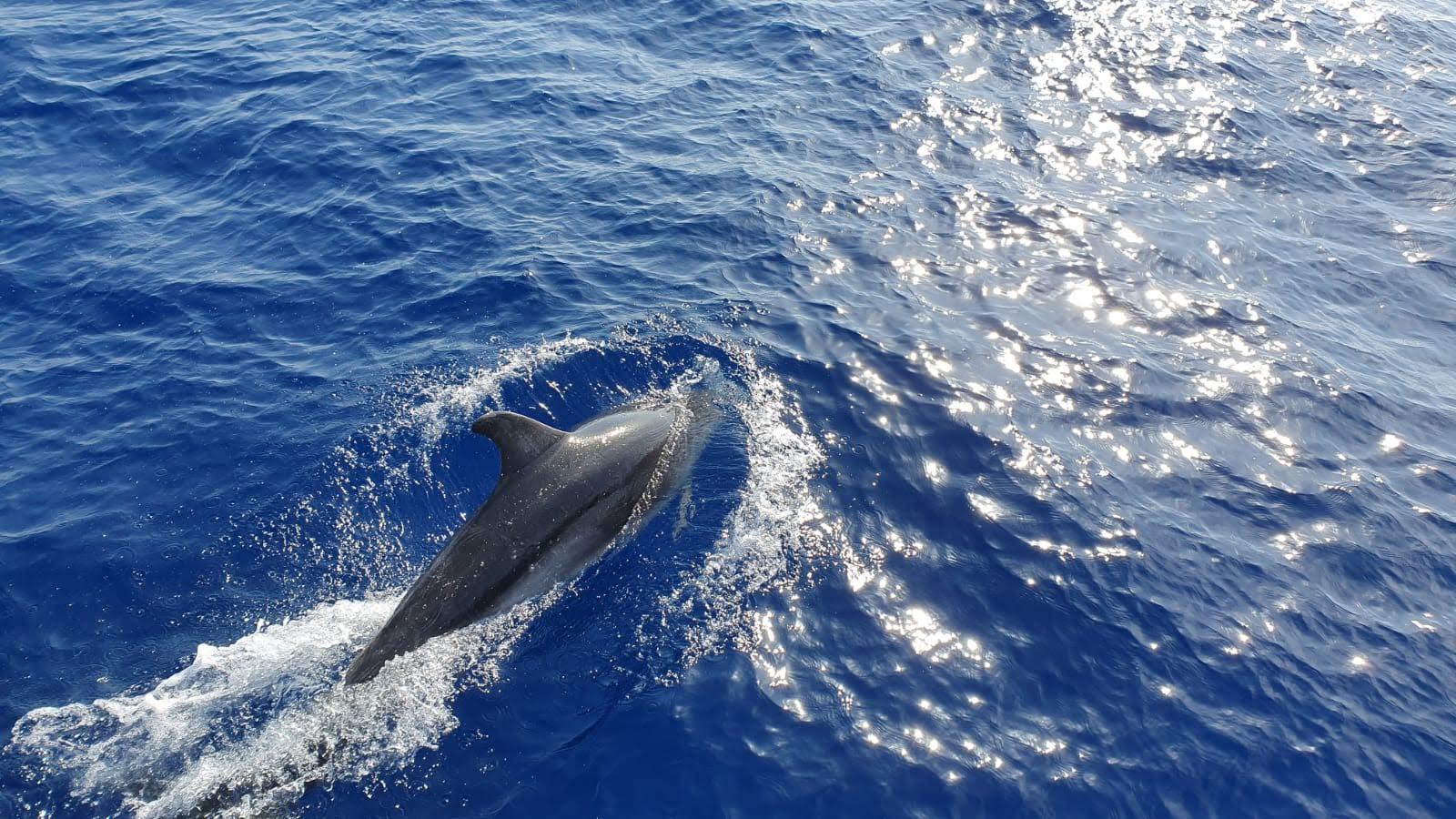
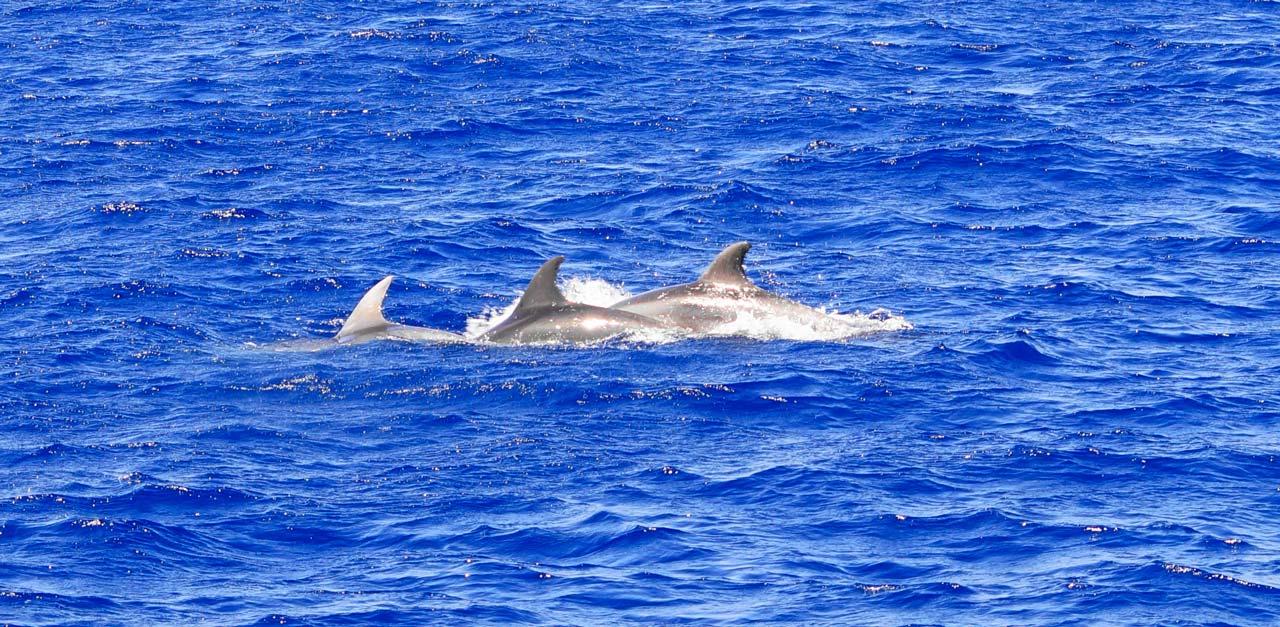
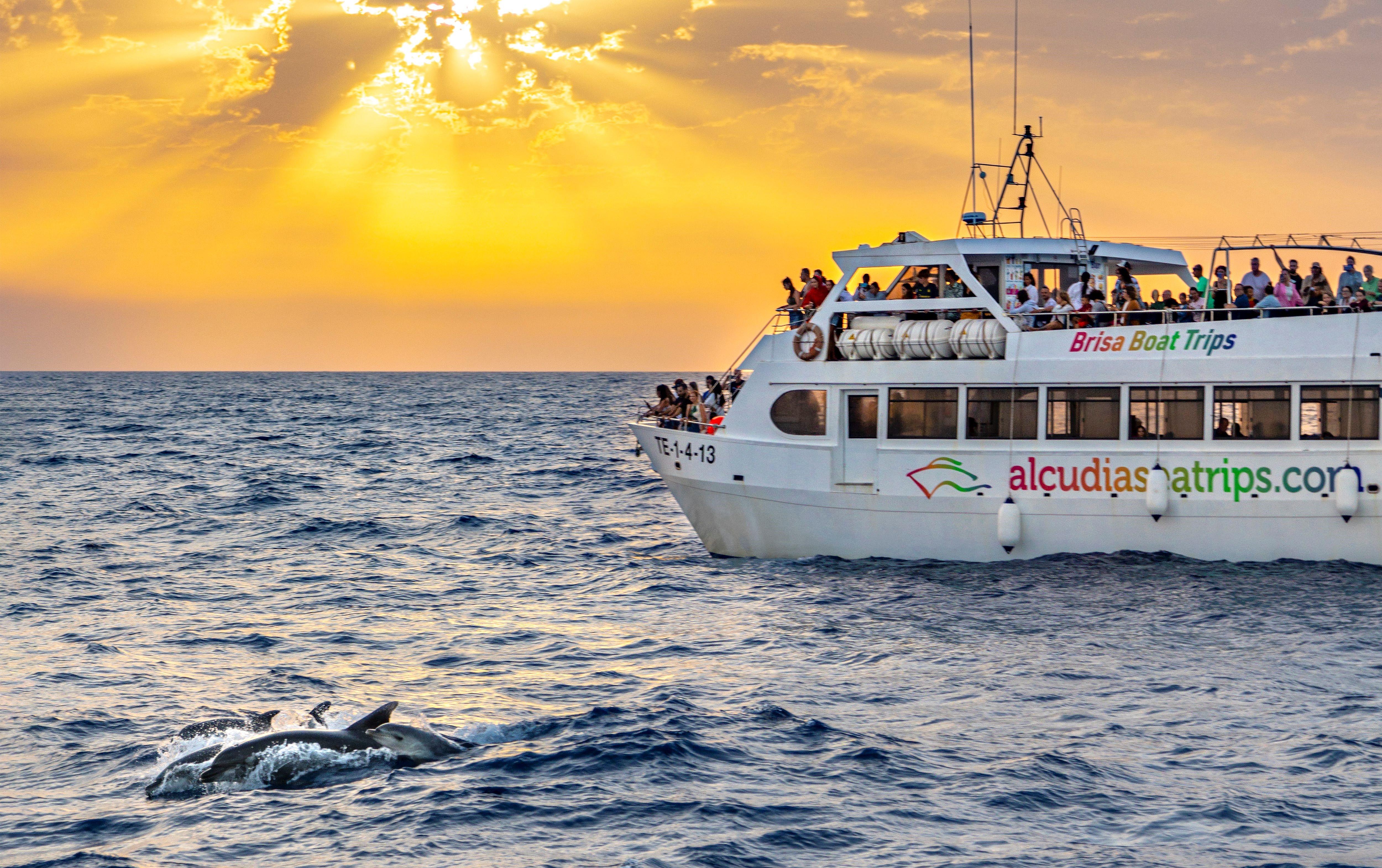
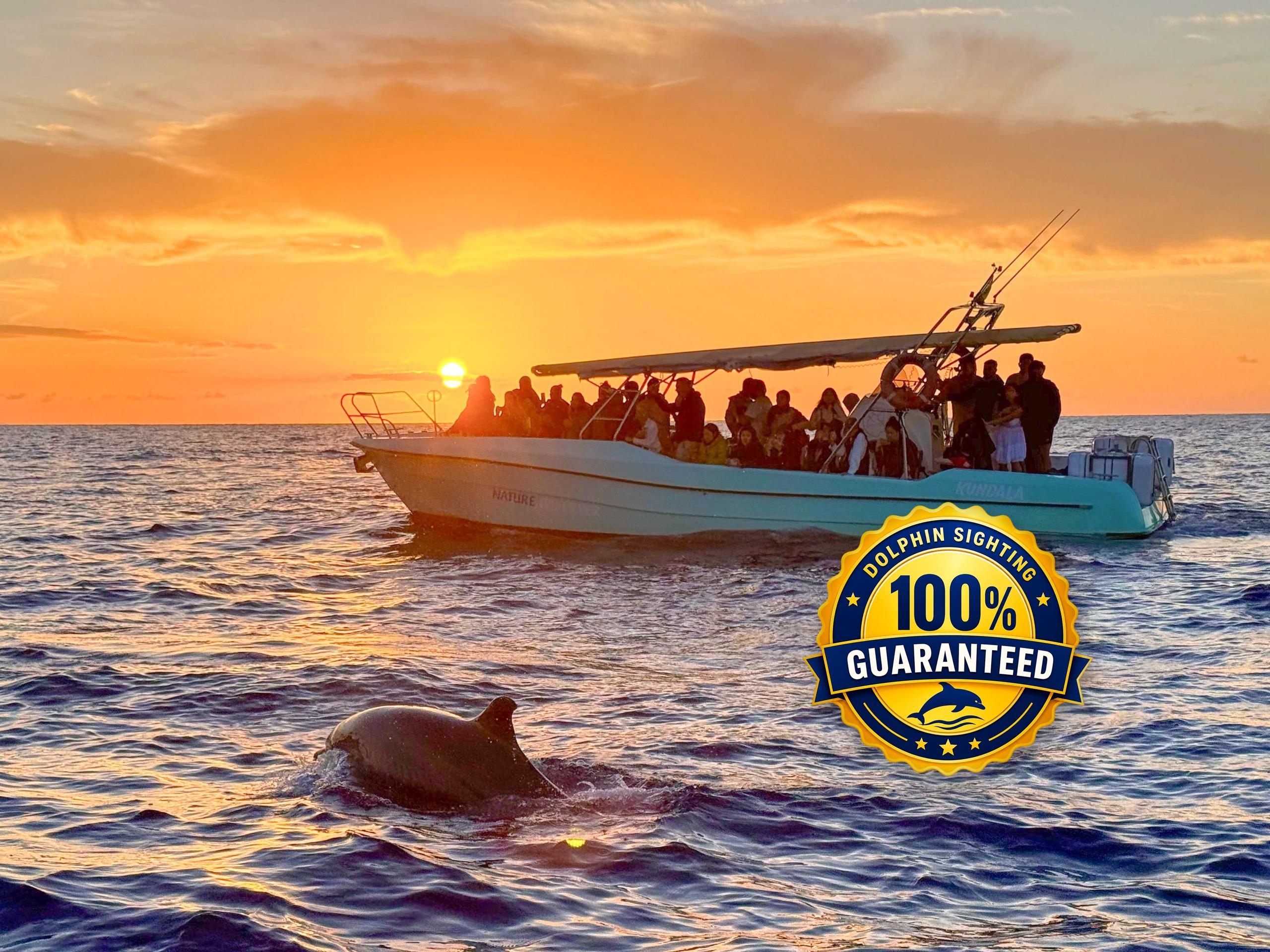
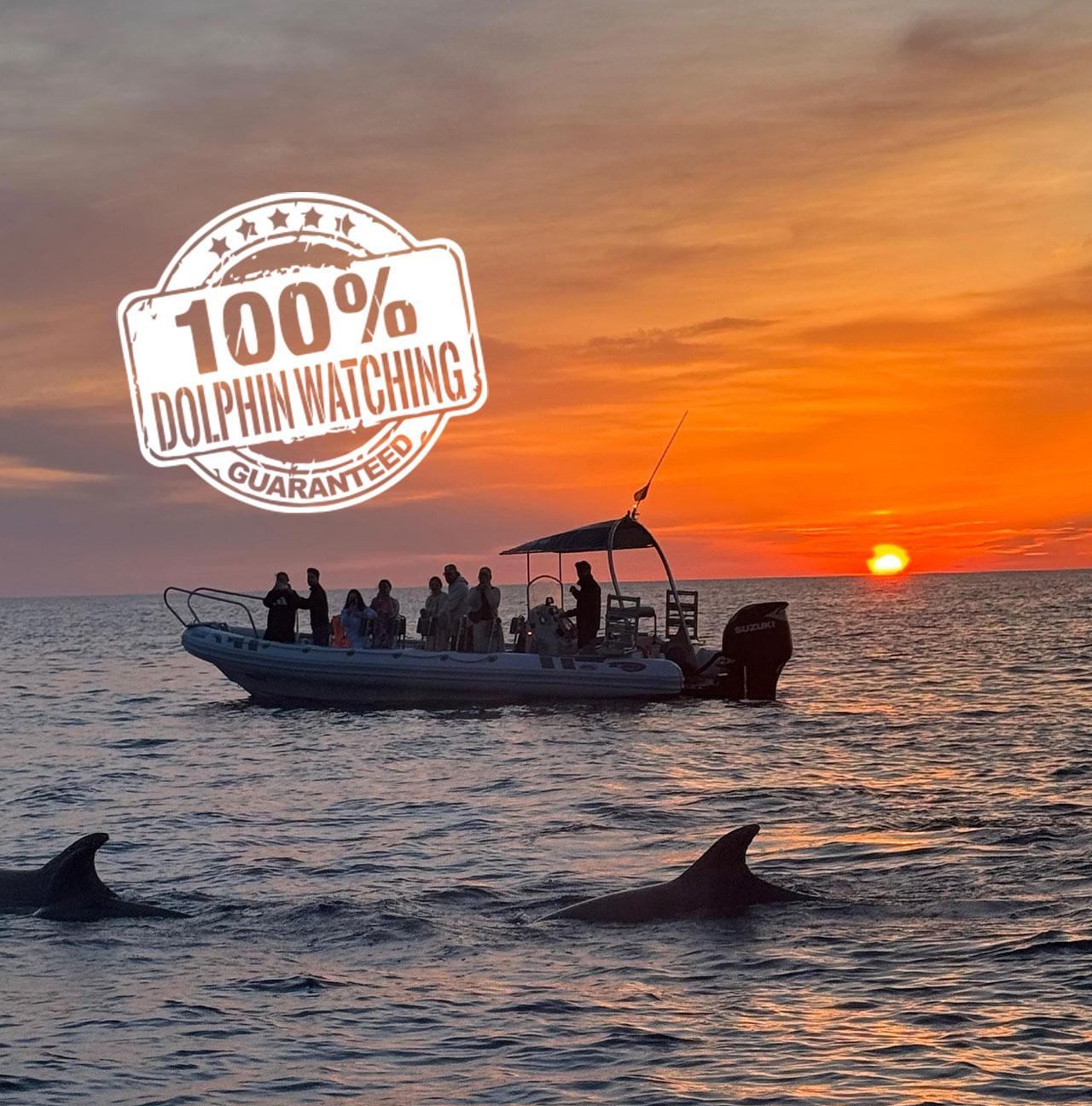
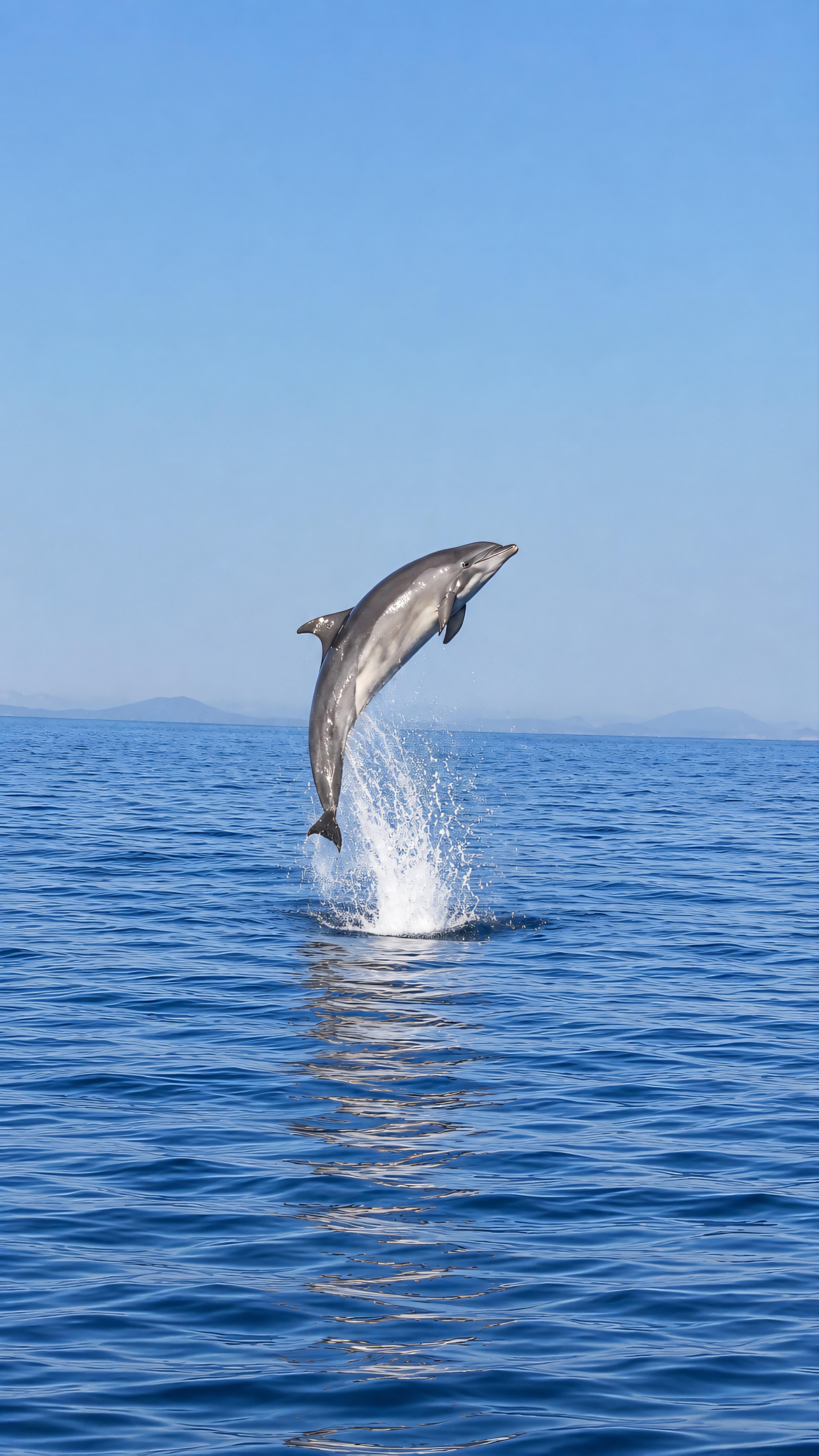
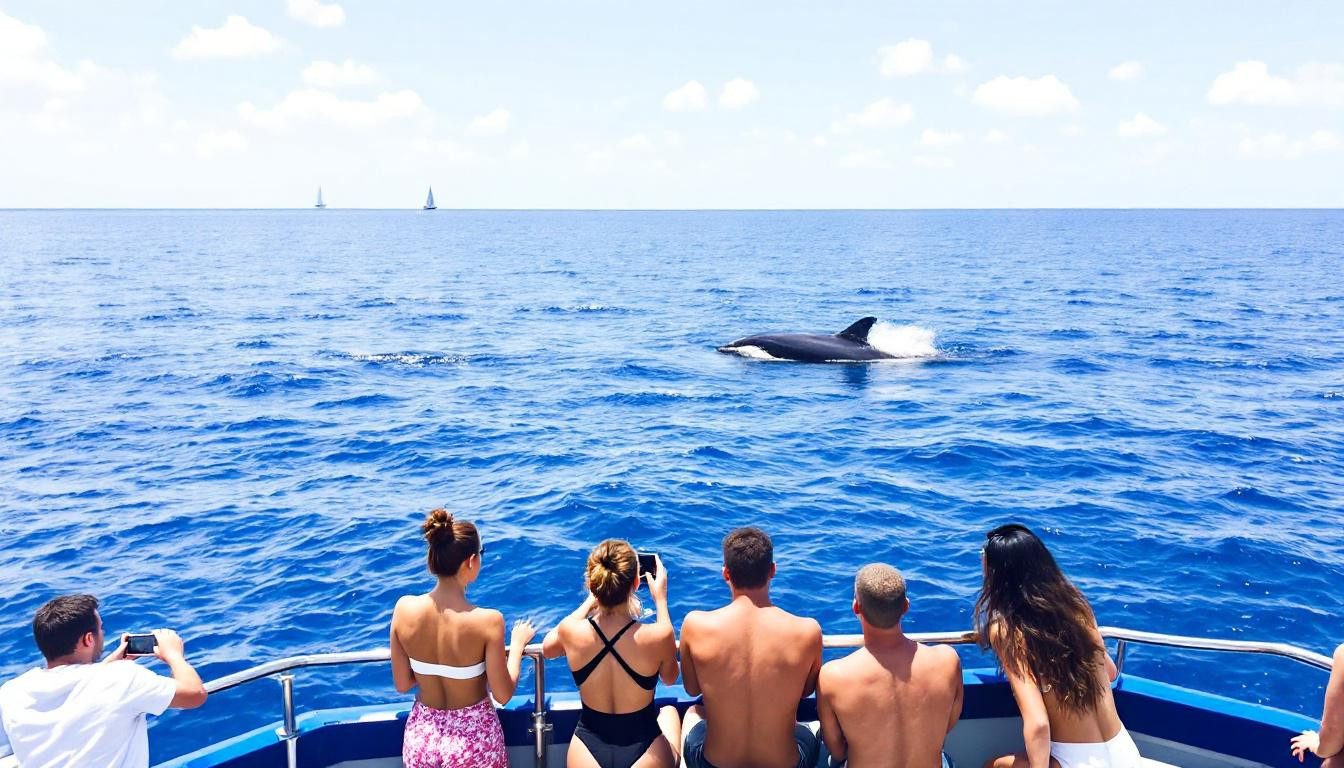
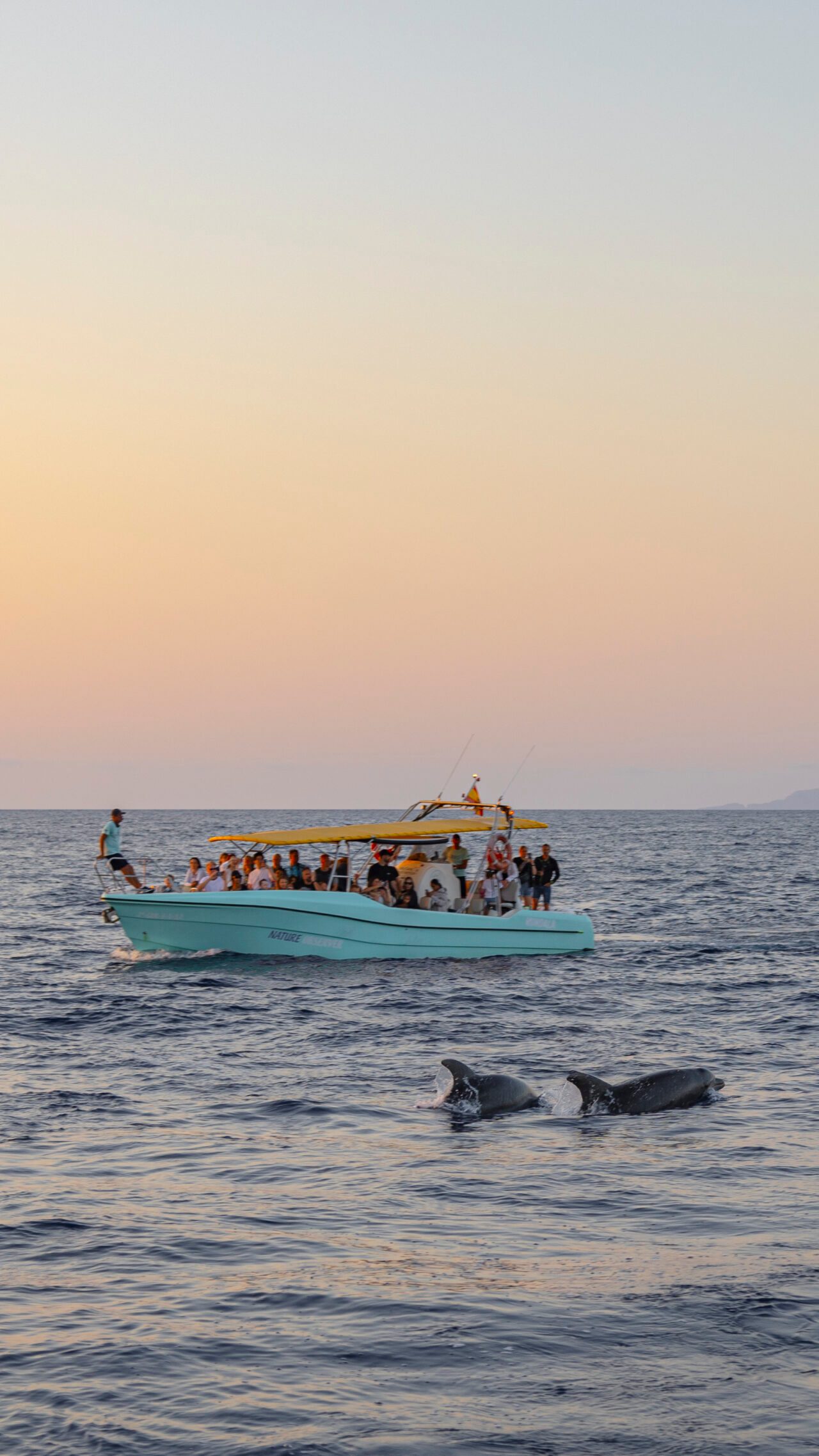
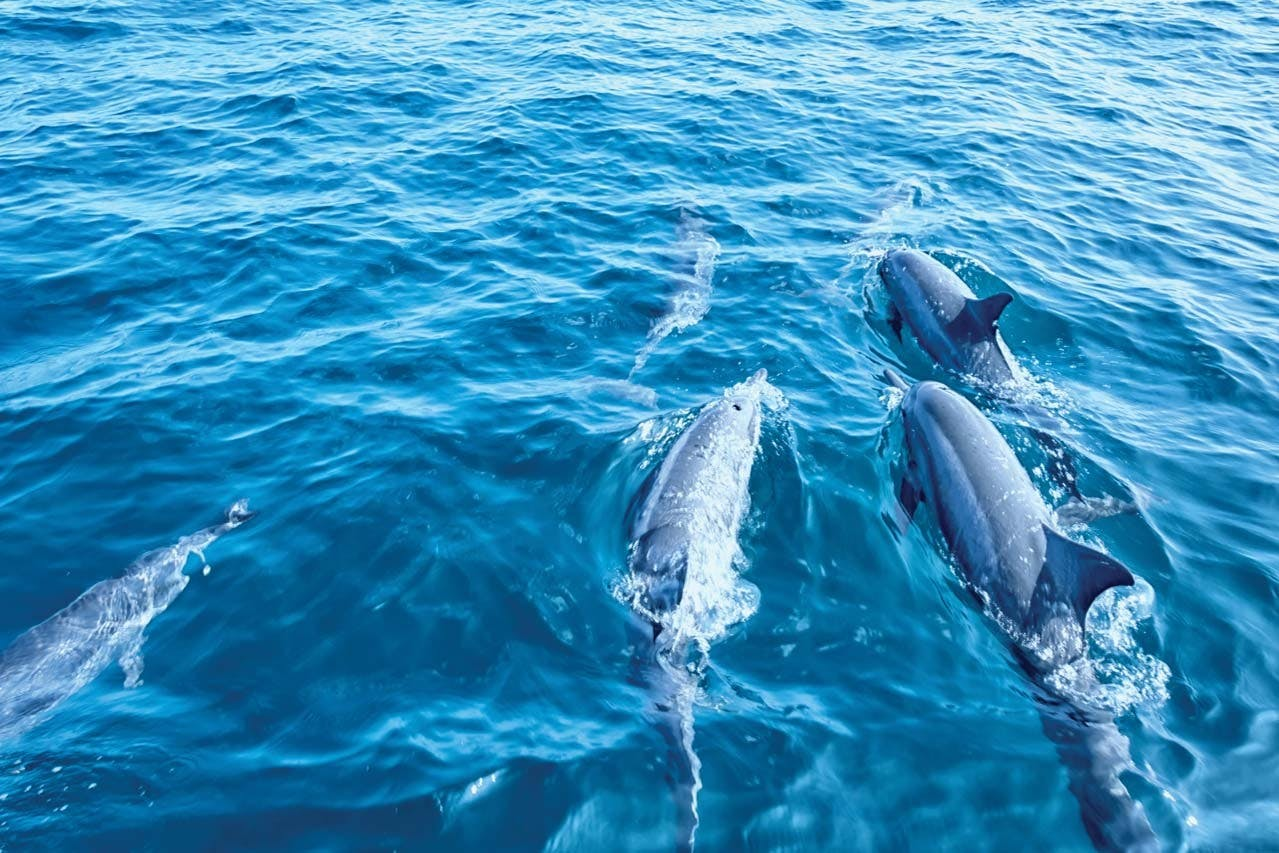
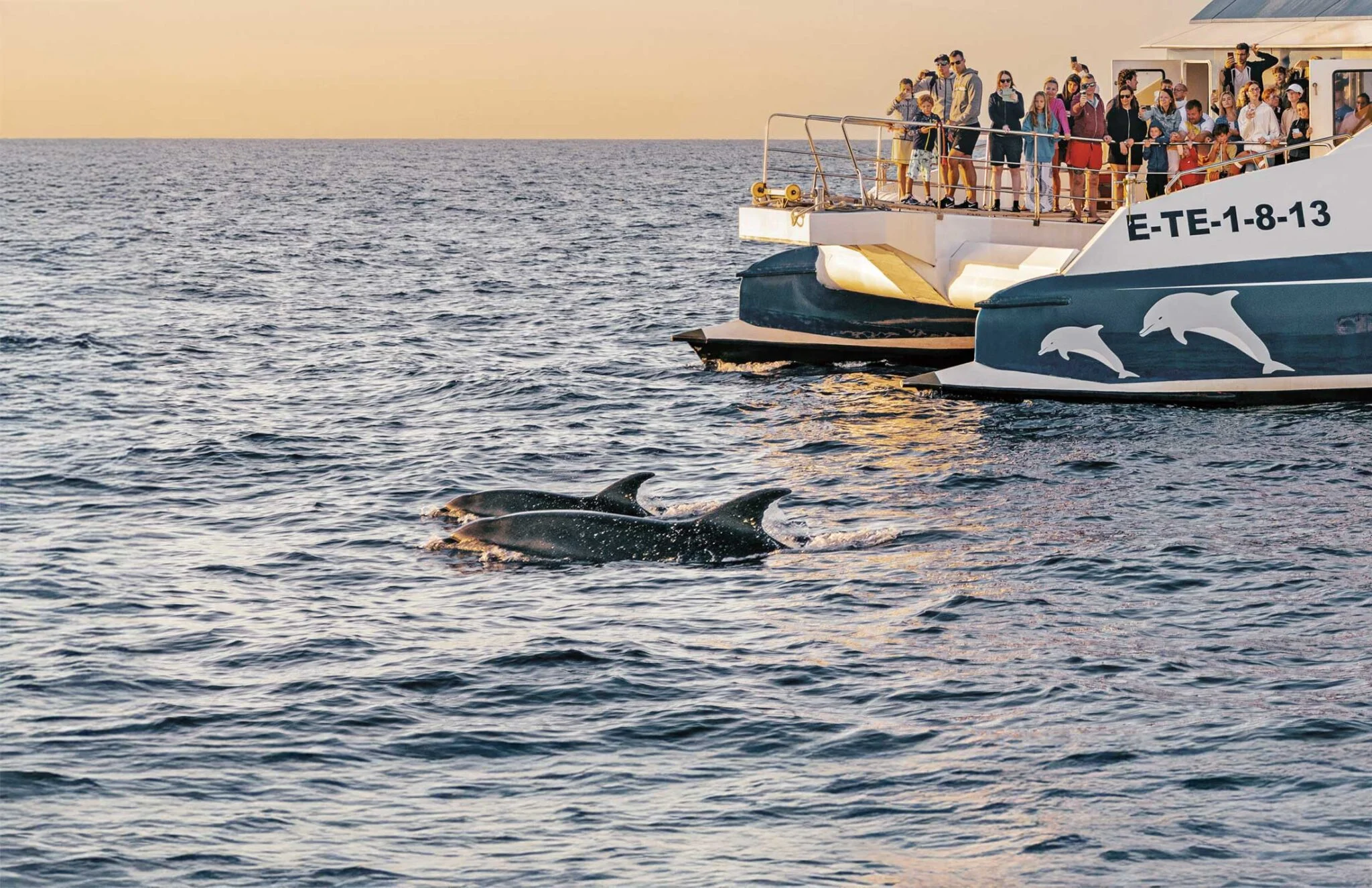
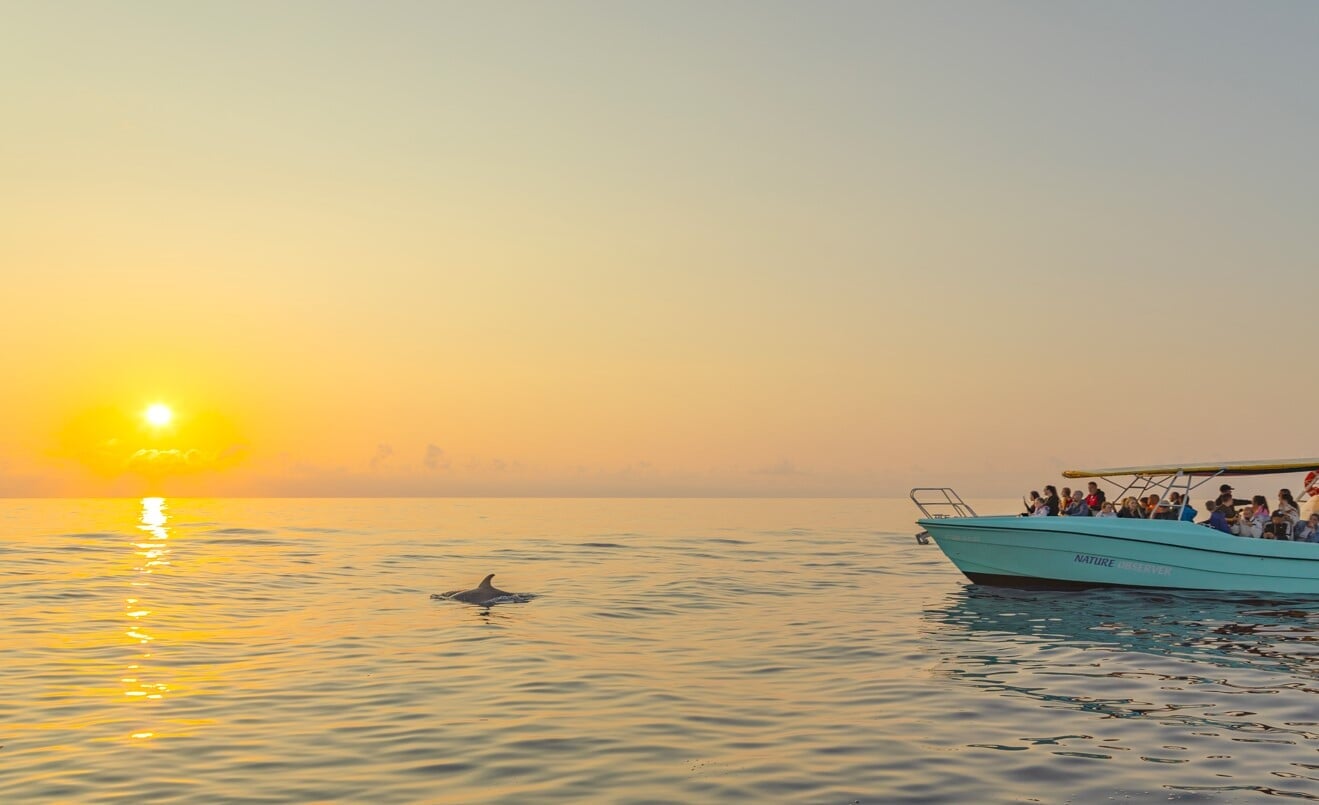
Twenty minutes offshore, the captain cuts speed and scans the surface. A dorsal fin breaks the waterline sixty meters starboard—a bottlenose dolphin, recognizable by its curved fin and stocky build. The pod surfaces in intervals of twelve to fifteen seconds, their exhalations audible as short puffs. You count seven individuals, including a calf swimming flank-to-flank with its mother. The hydrophone crackles with high-frequency clicks, the dolphins' sonar mapping the seafloor below.
The boat parallels the pod for eight minutes before they dive and disappear. You continue southwest toward Paguera, where the catamaran anchors in a cove for a beach stop. Passengers wade ashore, and a barbecue lunch is served on deck an hour later. The return route hugs the coast, offering views of cliffside villas and the Bellver Castle promontory. You dock at Paseo Marítimo by two in the afternoon.
All the details about your upcoming adventure in one place
Three species of dolphin—bottlenose, common, and striped—inhabit the waters off Palma year-round, their presence sustained by nutrient upwellings along the continental shelf edge eight nautical miles southwest of the harbor.
Sighting rates hover near seventy percent between April and October, when surface temperatures climb above eighteen degrees Celsius and squid migrations draw pods into coastal zones.
Palma dolphin watching operates from Muelle de las Golondrinas at the western terminus of Paseo Marítimo, the same quay that launched fishing trawlers in the nineteenth century and ferries to Barcelona through the mid-twentieth. Operators depart between eight and ten in the morning, when wind patterns stabilize and dolphins surface to feed. Glass-bottom boats running to Paguera and Santa Ponsa hug the coastline, offering hydrophone audio of echolocation clicks. Catamaran routes push farther offshore, where deeper water increases the chance of encountering striped dolphins, identifiable by the pale lateral stripe running from eye to fluke.
Mallorca's marine mammal research station, established in 1992 near Andratx, catalogued over four hundred individual bottlenose dolphins in Balearic waters by 2025. Identification relies on dorsal fin notches and pigmentation patterns, data collected through photo-ID surveys conducted by university teams and licensed tour operators. The Bay of Palma serves as a nursery ground; calves born in late spring remain within five kilometers of the mother until October, their pale gray coloring deepening to adult charcoal by their second year.
Captains coordinate sighting reports via VHF radio, reducing search time and limiting vessel crowding around pods. Spanish maritime law mandates a hundred-meter minimum distance and prohibits swimming with dolphins in open water. Cruises last between two and five hours depending on route; longer excursions incorporate beach stops at Cala Comtessa or Es Trenc, where passengers disembark for an hour before the return leg. Dawn departures from Alcúdia, though administratively separate, occasionally transfer passengers by shuttle to Palma for same-day embarkation, consolidating demand during shoulder months.

Three species of dolphin inhabit the waters off Palma year-round, their presence sustained by nutrient upwellings along the continental shelf edge eight nautical miles southwest of the harbor.
Wear comfortable clothing, swimwear, and a light jacket for breezy morning trips. Sun protection including hats and sunglasses is essential for your palma dolphin watching excursion.
Small bags are generally permitted, but space on boats is limited. Avoid bringing large suitcases on your palma dolphin watching tour.
Cameras and mobile phones are encouraged to capture sightings. Ensure your device is secured against sea spray during the boat ride.
These boat trips are excellent for families, often featuring swimming stops that appeal to children. Always supervise minors near the vessel railings.
Accessibility varies by vessel; please communicate mobility needs with your operator when booking palma dolphin watching tours. Most catamarans have limited deck space for wheelchairs.
Food and drinks are often available for purchase at the onboard bar. Bringing your own snacks is usually permitted on most palma dolphin watching tours.
Opening Hours
08:00–18:00 daily
Address
Muelle de las Golondrinas, Paseo Marítimo, 07014 Palma, Mallorca, Spain
Accessibility
Varies by operator; contact your chosen palma dolphin watching tour for specific mobility assistance
Best Arrival
08:00–10:30 for peak morning activity
Storage
Limited availability; check with individual palma dolphin watching operators
Transit
Accessible via local bus lines and the central Palma waterfront
Most operators allow cancellation up to 24 hours before the scheduled departure for a full refund. Always confirm specific terms when booking your palma dolphin watching tickets.
Recommended time
3-4 hours
Most excursions departing from the Muelle de las Golondrinas involve travel time to deep-water sighting zones to increase the likelihood of spotting marine mammals. Securing palma dolphin watching tickets ahead of time ensures you reach the vessel for the essential safety briefing and boarding process. Because these Mallorca dolphin watching tours operate on strict schedules, guests should arrive early to avoid missing departure windows, which are typically less crowded in the morning than mid-day trips.
Crowd levels through the day
Commercial dolphin watching in Palma emerged in the early 1990s when a handful of charter boat captains noticed tourist demand for marine mammal encounters along Mallorca's southwest coast. Before 1995, most excursions were improvised fishing-boat diversions with no marine-biology narrative. The Bay of Palma and adjacent waters host resident populations of bottlenose dolphins and occasional pilot whales, documented by Spanish marine researchers since the 1970s. In 1998, the Balearic government enacted the first dolphin-approach regulations, restricting vessel speed within 60 meters and prohibiting swimmers from pursuing cetaceans. Enforcement remained patchy until 2004, when recurring complaints from environmental groups triggered mandatory operator licensing and observer training. The 2008 financial crisis nearly collapsed the nascent palma dolphin watching industry. Tourist arrivals to Mallorca fell 22 percent that year, and several pioneer operators declared bankruptcy. Survivors consolidated routes, shifting departure points to Muelle de las Golondrinas on Paseo Marítimo to capture cruise-ship foot traffic. By 2012, digital booking platforms had revived demand, and a new cohort of catamarans entered service with hydrophones and onboard biologists. A 2017 incident involving a jet-ski collision with a dolphin pod near Portals Vells prompted stricter distance rules and real-time sighting-coordination systems among licensed vessels. Today, palma dolphin watching tours operate year-round from Palma's central marina, with spring and autumn offering the highest encounter rates. The activity remains unregulated by entrance fees, though private operators set individual pricing. Dawn departures between 08:00 and 10:30 yield the most consistent sightings, as dolphins feed actively in cooler morning waters.
Spanish marine biologists document resident bottlenose dolphin populations in Balearic waters.
Charter captains in Palma begin offering improvised dolphin-spotting diversions for tourists.
Balearic government enacts first approach regulations, restricting vessel speed near cetaceans.
Mandatory operator licensing and observer training introduced following environmental pressure.
Financial crisis triggers 22 percent drop in Mallorca tourism, bankrupting several pioneer dolphin-tour operators.
Digital booking platforms revive demand, new catamarans launch with hydrophones and onboard biologists.
Jet-ski collision near Portals Vells prompts stricter distance rules and real-time sighting coordination.
Year-round departures from Muelle de las Golondrinas with dawn slots offering highest encounter probability.
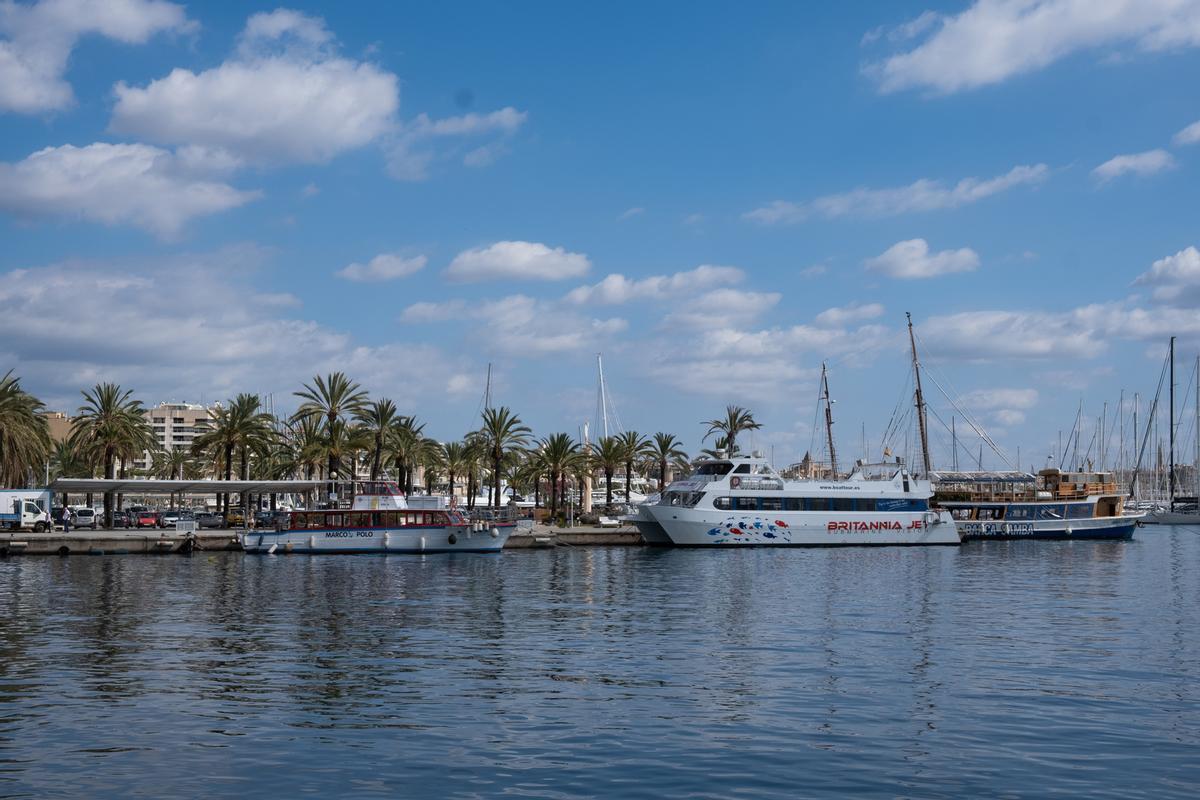
Position yourself along the edge of this pier to capture the fleet of boats departing against the backdrop of the Cathedral of Mallorca. This is the primary boarding point for your palma dolphin watching experience.
Planning a palma dolphin watching trip with children requires careful preparation to ensure everyone enjoys the marine adventure. Navigating these Mallorca dolphin watching excursions from the city harbor is manageable when you anticipate the specific needs of young passengers on the open water.
Strollers are generally not permitted on boat decks, so bring a baby carrier for younger children; store your stroller securely at the designated area near the Muelle de las Golondrinas before boarding.
These trips are best for children aged five and older who can sit safely during transit, as sea conditions can fluctuate; check specific palma dolphin watching tours for minimum age requirements.
Bathroom access is limited on smaller vessels, so ensure children use the facilities at the port terminal prior to departure; palma dolphin watching tickets do not guarantee private amenities.
To keep kids comfortable, choose seats in the center of the boat to minimize motion, and consult a pharmacist about age-appropriate preventatives before you arrive for your palma dolphin watching tour.
While some excursions provide water, always pack your own snacks and drinks for the trip; choose light, non-greasy foods that help settle stomachs while observing marine wildlife.
The area surrounding the Muelle de las Golondrinas provides convenient access to various eateries, making it simple to find a quick breakfast before your palma dolphin watching excursion. Most visitors prefer the cafes along the Paseo Marítimo for coffee and light snacks to fuel their morning Mallorca marine life adventure.
Located right at the marina, this spot offers traditional Spanish breakfast options like pan con tomate. It is a popular choice for those waiting to board their palma dolphin watching tours.
Everything you need to know for your journey
The Muelle de las Golondrinas operates daily from 08:00–18:00, with tour departures usually in the morning.
There is 0 EUR standard gate fee for the pier itself; prices for individual palma dolphin watching excursions vary by operator.
The best arrival window is 08:00–10:30, as dolphins are most active at dawn and early morning.
Yes, many palma dolphin watching tours are ideal for families, often including swimming stops at secluded coves.
Most operators provide a full refund if you cancel at least 24 hours before your palma dolphin watching tour departure.
While snacks and drinks are sold on board, you may bring your own on most palma dolphin watching boat excursions.
It is recommended to book your palma dolphin watching tickets in advance to ensure availability, especially during peak seasons.
There are no specific restrictions, though you are responsible for keeping your camera gear safe during the palma dolphin watching experience.
Bring sunscreen, swimwear, a towel, and a camera for your upcoming palma dolphin watching tour.
Join thousands of happy travelers who have discovered this incredible experience
Book Your Experience Now